
Introduction
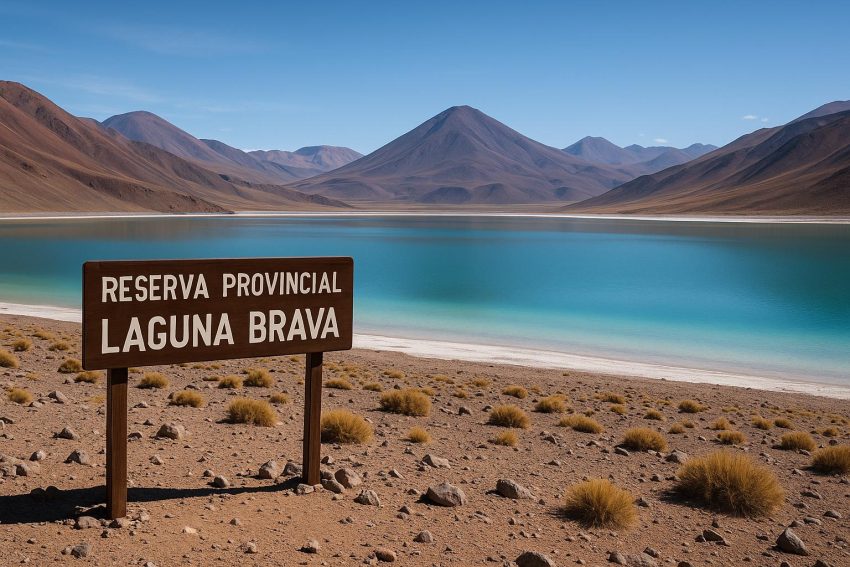
Reserva Provincial Laguna Brava is a captivating protected area nestled within Argentina’s La Rioja Province. Recognized for its stunning landscapes, diverse ecosystems, and archaeological importance, this reserve is alluring to both nature lovers and scientific researchers. Its distinctive environment and strategic location make Laguna Brava a prime example of Argentina’s natural beauty and heritage.
Geographical Location
Laguna Brava is positioned in the Andes mountains, where its altitude varies impressively between 2,500 and 4,500 meters above sea level. Spanning over a vast area of approximately 405,000 hectares, the reserve is characterized by its arid high-altitude plateaus and rugged mountainous landscapes. The region experiences extreme weather conditions, with warm days transitioning into cold nights, reflecting a typical Andean climate.
Ecological Significance
This reserve serves as a crucial habitat for numerous species that have adapted to thrive in the challenging Andean environment. Prominent among these species is the vicuña, a close relative of the llama, known for its remarkably soft wool and its status as a symbol of Andean wildlife. Additionally, several species of flamingos inhabit this region, including the Andean and James flamingos. The skies above the reserve are often graced by the majestic Andean condor, offering a dramatic sight as they soar with grace over the expansive plains and formidable rocky terraces.
Laguna Brava Lake
Central to the reserve is Laguna Brava, a crucial saline lake playing a vital role in supporting diverse bird species. The lake’s ecosystem is particularly important for flamingos, which use it as a breeding ground. The lake’s ecological richness stems from its abundance of algae and small crustaceans, which form the primary food sources for many aquatic bird species. This makes Laguna Brava not just a visual marvel but a cornerstone for avian biodiversity in the region.
Archaeological and Cultural Interest
Beyond its natural allure, Reserva Provincial Laguna Brava is embedded with archaeological heritage, marked by the remnants of ancient Incan trails and significant archaeological sites. These sites offer a window into the past, providing valuable insights into the historical narratives and cultural practices that have shaped the region. They are a testament to the rich history of human settlement and are regarded as a significant part of the cultural legacy of La Rioja.
Tourism and Conservation
Tourism plays a pivotal role in the local economy, with the reserve attracting visitors year-round who come to admire its breathtaking landscapes, observe its rich wildlife, and partake in activities such as hiking and photography. The breathtaking sunrises and sunsets over the altitude-locked landscapes are particularly memorable, offering photographers a chance to capture the natural beauty of the Andes. Conservation initiatives are actively pursued to ensure that tourism is managed effectively and sustainably, balancing the needs of visitors with the imperative to preserve the natural environment. These efforts are crucial to maintaining the integrity of the reserve’s delicate ecosystems for future generations.
For more detailed information on visiting the reserve, you may refer to official travel guides or conservation websites.
Learn more about La Rioja Province and its attractions.
Flora and Fauna
The reserve’s unique environmental conditions foster a range of flora adapted to the high-altitude desert climate. The vegetation primarily consists of resilient shrubs and grasses, which provide shelter and sustenance for the area’s fauna. These plant species have developed specialized adaptations to survive in the arid conditions and thin atmosphere of the Andes.
Wildlife is abundant in the reserve, beyond its well-known mammalian inhabitants like the vicuña and the Andean fox. Ornithologists and birdwatchers will find Laguna Brava a haven due to its rich avifauna. Besides flamingos, the reserve supports a variety of other bird species, including the tawny-throated dotterel and several species of waterfowl and migratory birds. The delicate ecosystem supports intricate food webs, emphasizing the importance of preserving its unique biodiversity.
Scientific Research and Educational Value
The reserve serves not only as an escape into nature but also as a living laboratory for scientists studying high-altitude ecosystems and climate adaptation. Researchers from around the world are drawn to Laguna Brava to study its unique geology, biology, and climatic conditions. Their work contributes to a broader understanding of how species adapt to extreme environments, offering insights that are valuable for ecological and environmental sciences.
Educationally, Laguna Brava offers myriad opportunities for universities and environmental organizations to conduct field studies, providing hands-on experiences for students and educators in ecology, conservation, and archaeology. This dynamic setting enables the testing of ecological theories and conservation strategies in situ, fostering a deeper understanding of Andean ecosystems’ complexity.
Community Involvement and Indigenous Knowledge
The surrounding communities, including indigenous groups, play an integral role in the stewardship and sustainable management of the reserve. Their traditional knowledge and cultural practices are invaluable in maintaining the balance between conservation and human use of natural resources. These communities are actively involved in eco-tourism initiatives, offering guided tours and cultural experiences that enrich the understanding of Laguna Brava’s natural and cultural heritage.
Supporting sustainable practices and promoting indigenous involvement in tourism ensures that economic benefits are shared equitably among local populations, and that the cultural significance of the reserve is respected and preserved.
Future Challenges and Opportunities
Laguna Brava faces several challenges, such as climate change, which threatens to disrupt the delicate ecological balance. Rising temperatures and altered precipitation patterns can impact both the flora and fauna, leading to potential loss of biodiversity. Conservation plans are being adapted to account for these changes, emphasizing the need for dynamic management strategies that can respond to environmental shifts.
The reserve also holds potential for expanding eco-tourism and sustainable development initiatives. By leveraging technology and promoting conservation education, there is an opportunity to engage a broader audience in preserving this extraordinary natural reserve.
In conclusion, Reserva Provincial Laguna Brava not only serves as a refuge for unique plant and animal species but also as an invaluable site for scientific research and a source of cultural enrichment. It stands as a testament to the incredible natural and historical wealth of Argentina, highlighting the importance of preserving such areas for the continued benefit of both nature and humanity.