
Introduction
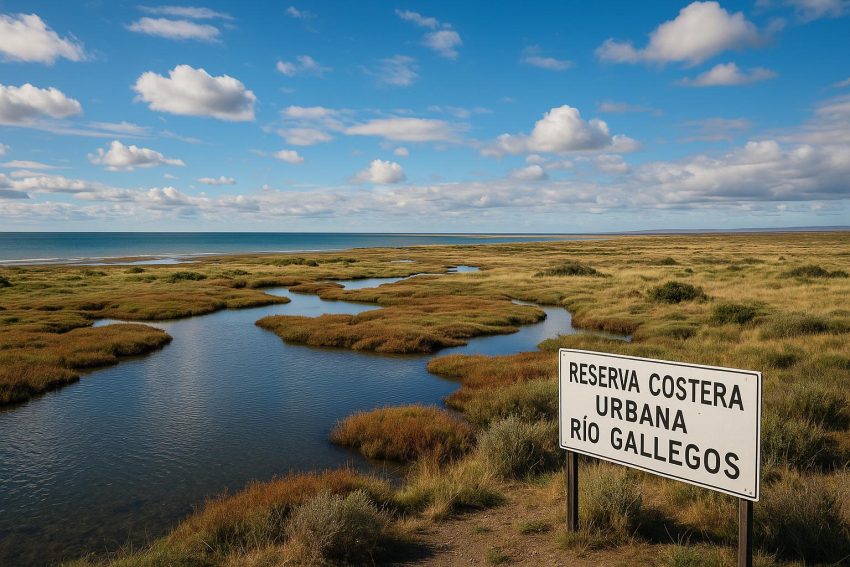
The Reserva Costera Urbana de Río Gallegos, located in the city of Río Gallegos in Santa Cruz, Argentina, plays a vital role as a coastal wetland reserve. This reserve is crucial for maintaining the ecological balance of the coastal region. It supports a diverse range of species and is a hub for environmental education and research. The combination of its conservation efforts and educational initiatives makes it an area of both local and global importance, providing valuable insights into the sustainable management of coastal ecosystems.
Geographical Overview
Situated along the southern coast of Argentina, the reserve covers an area of approximately 3,500 hectares. It features a variety of landscapes that include tidal plains, dunes, and salt marshes, each contributing to the region’s rich ecological tapestry. These diverse landscapes not only underpin the unique ecosystem processes in the area but also create habitats for numerous plant and animal species adapted to these specific environmental conditions.
The tidal plains, for instance, are regularly flooded by seawater, which supports a different set of species compared to the sandier and more elevated dunes. Meanwhile, the salt marshes act as buffer zones, helping to protect the inland areas from storm surges and also serving as breeding grounds for numerous species. This variety in terrain and habitat types underscores the ecological diversity of the reserve, highlighting its importance as a conservation and research site.
Biodiversity
The Reserva Costera Urbana de Río Gallegos is a sanctuary for numerous bird species, many of which are either resident or migratory. The reserve is situated along the Atlantic Flyway, a major migratory route that is vital for birds traveling long distances across the Americas. Consequently, it serves as both a summer home and a winter sanctuary for diverse bird populations.
Notably, species such as the Magellanic plover, Ruddy-headed goose, and Two-banded plover are commonly observed within the reserve. These species rely on the special conditions provided by the coastal wetland for nesting, feeding, and breeding. Moreover, the presence of these birds indicates the health of the ecosystem, as birds are often considered biodiverse indicators.
Beyond avian life, the reserve supports a variety of other wildlife. It houses native flora adapted to the coastal environment, providing essential resources and habitats for the ecosystem’s fauna. The interaction between the flora and fauna within the reserve creates a dynamic ecosystem that is both complex and resilient.
Conservation Efforts
Local and national organizations have understood the ecological importance of the Reserva Costera Urbana de Río Gallegos and have acted accordingly by implementing several conservation measures. These efforts focus primarily on the protection and sustainable management of habitats. Initiatives are in place to control pollution levels and mitigate their impact on fragile ecosystems.
Public awareness campaigns form a cornerstone of these conservation measures, educating locals and visitors about the ecological value of the reserve and encouraging sustainable practices. These strategies aim to reduce human impact gently while supporting the natural regeneration of the ecosystem. By promoting the importance of safeguarding these ecosystems, conservation groups help ensure the ongoing vitality of the reserve.
Educational and Research Opportunities
The Reserve is not only a site of natural beauty but also a place of learning and discovery. Designated as a hub for environmental education and research, it hosts numerous programs that engage a wide range of audiences, from local communities to international researchers. These programs aim to foster a deeper understanding of ecological preservation and the importance of maintaining biodiversity.
Educational initiatives involve interactive sessions with schools, tours for visitors, and community-led conservation projects. These opportunities allow participants to learn directly from the environment and cultivate a practical understanding of ecological concepts and environmental stewardship. Moreover, the reserve often collaborates with environmental scientists to conduct research projects, focusing on areas such as coastal dynamics, species behavior, and ecosystem health. Such research is instrumental in informing future conservation strategies and understanding the broader implications of environmental change.
Visiting the Reserve
The Reserva Costera Urbana de Río Gallegos offers visitors a range of outdoor activities designed to enhance appreciation and understanding of the natural world. Popular activities include birdwatching and nature walks, which allow individuals to engage directly with the environment. Designated paths and observation points have been developed to ensure minimal ecological disturbance while providing educational and recreational experiences.
These activities are integral to promoting eco-tourism, which not only increases environmental awareness but also supports the local economy by providing sustainable tourism opportunities. The presence of guided tours and educational programs helps to bridge the gap between visitors and the ecological complexities of the reserve, fostering a deeper connection to and appreciation for nature.
Additional Information
Those interested in further details about visiting the reserve, including opening hours, available educational programs, and current conservation initiatives, can visit the official website. This platform offers comprehensive insights and updates on ongoing projects and forthcoming events at the reserve. By providing up-to-date information, the website acts as a valuable resource for potential visitors and individuals interested in supporting the reserve’s efforts.