
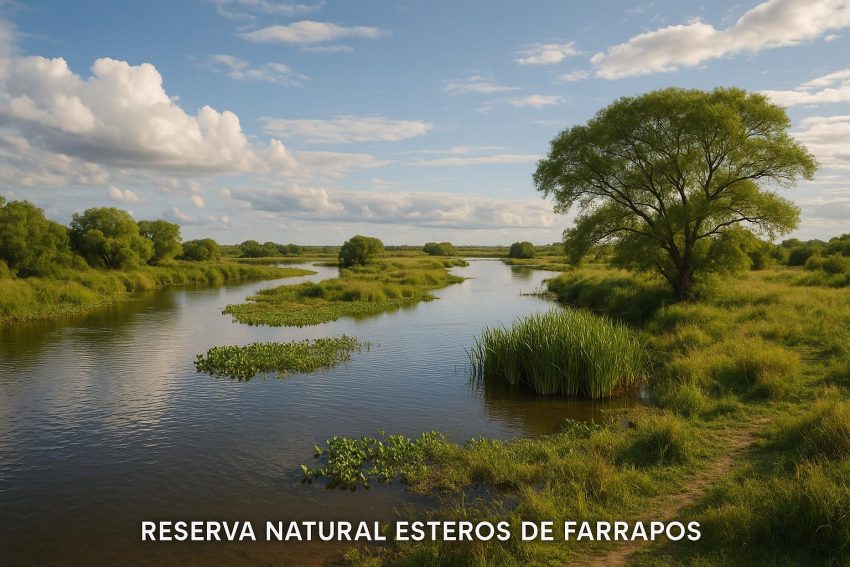
Introduction to Reserva Natural Esteros de Farrapos
The Reserva Natural Esteros de Farrapos is a significant natural area located in Uruguay, specifically along the banks of the Uruguay River. This reserve forms part of a unique natural landscape, integral to South America’s ecology. Spanning a vast expanse, this protected area is a testament to the ecological diversity and environmental significance of the region. Its role in conservation and its attraction for ecotourism are as important as the natural beauty and biodiversity it preserves.
Geographical Location
Situated in the northwest region of Uruguay, the reserve is located within the department of Río Negro. Its geographic coordinates position it strategically along the Uruguay River, which plays a vital role in the area’s ecosystem. The proximity to the river not only provides a stunning natural boundary but also contributes to the diverse ecological zones found within the reserve. The area acts as a critical corridor for species migration and water flow regulation, thereby enhancing its environmental value.
Ecological Importance
The Reserva Natural Esteros de Farrapos is renowned for its diverse ecosystems, which include wetlands, marshes, and riparian forests. These natural settings are crucial for maintaining biodiversity, especially for avian species. The wetlands support numerous bird species, making it a notable spot for bird watchers and researchers. This ecological diversity is not only vital for the species that reside here but also plays a crucial role in broader environmental processes such as carbon storage, water purification, and climate regulation.
Flora and Fauna
This natural preserve is home to a variety of plant species, ranging from aquatic plants in the wetlands to more robust vegetation in the riparian zones. The fauna includes numerous bird species, reptiles, and small mammals, all of which rely on the reserve’s unique ecosystem for survival. This blend of flora and fauna reflects the complex interdependencies that sustain the natural dynamics of the area.
Birdlife
One of the most compelling features of the Esteros de Farrapos is its avian diversity. The area serves as a habitat for both resident and migratory bird species. Bird enthusiasts might encounter species such as the white-winged coot and black-necked swan. These birds are not just visually captivating; they are also indicators of ecological health. The presence of such diverse avian species indicates a well-preserved ecosystem capable of supporting complex life forms. Birdwatching here can be a fulfilling experience, offering glimpses of rare species and valuable insights into avian behaviors and habitats.
Plant Species
The plant life in this reserve supports its diverse wildlife. Various grasses, shrubs, and aquatic plants form the bulk of the flora, playing a crucial role in the ecological balance by providing food and shelter for many species. The vegetation not only supports the fauna but also aids in soil stabilization and water filtration processes, which are essential for maintaining the area’s ecological integrity.
Conservation Efforts
Preservation of the Reserva Natural Esteros de Farrapos is critical for maintaining its environmental health. The area’s management involves various conservation efforts aimed at protecting its ecological integrity and promoting sustainable tourism. Such initiatives are essential for safeguarding the habitat for future generations. Conservation strategies include habitat restoration, combating invasive species, and monitoring ecological changes. Additionally, these efforts often involve community participation, ensuring local stakeholders are engaged in preservation activities and benefit from the sustainable use of natural resources.
Visitor Information
The reserve is accessible to the public and provides an opportunity for visitors to experience its natural beauty firsthand. Visitors can engage in activities such as hiking, bird watching, and photography. It is recommended to follow the guidelines set by conservation authorities to minimize human impact. Responsible tourism ensures that the ecological balance is not disturbed and that future visitors can continue to enjoy the area’s pristine beauty. Facilities at the site may include viewing platforms, guided tours, and educational trails that offer insights into the ecological functions and conservation importance of the area.
Conclusion
The Reserva Natural Esteros de Farrapos serves as a vital area for the preservation of Uruguay’s natural heritage. Its diverse ecosystems not only support a broad range of wildlife but also offer a space for environmental education and awareness. Ensuring the ongoing protection of this reserve is crucial for maintaining its ecological importance. Preservation efforts are complemented by research and monitoring activities that help understand environmental changes and inform future conservation policies.
For more detailed information about the Reserva Natural Esteros de Farrapos, visit the official website. This resource offers insights into the reserve’s history, conservation projects, and visitor experiences, encouraging broader awareness and support for this exceptional natural area.